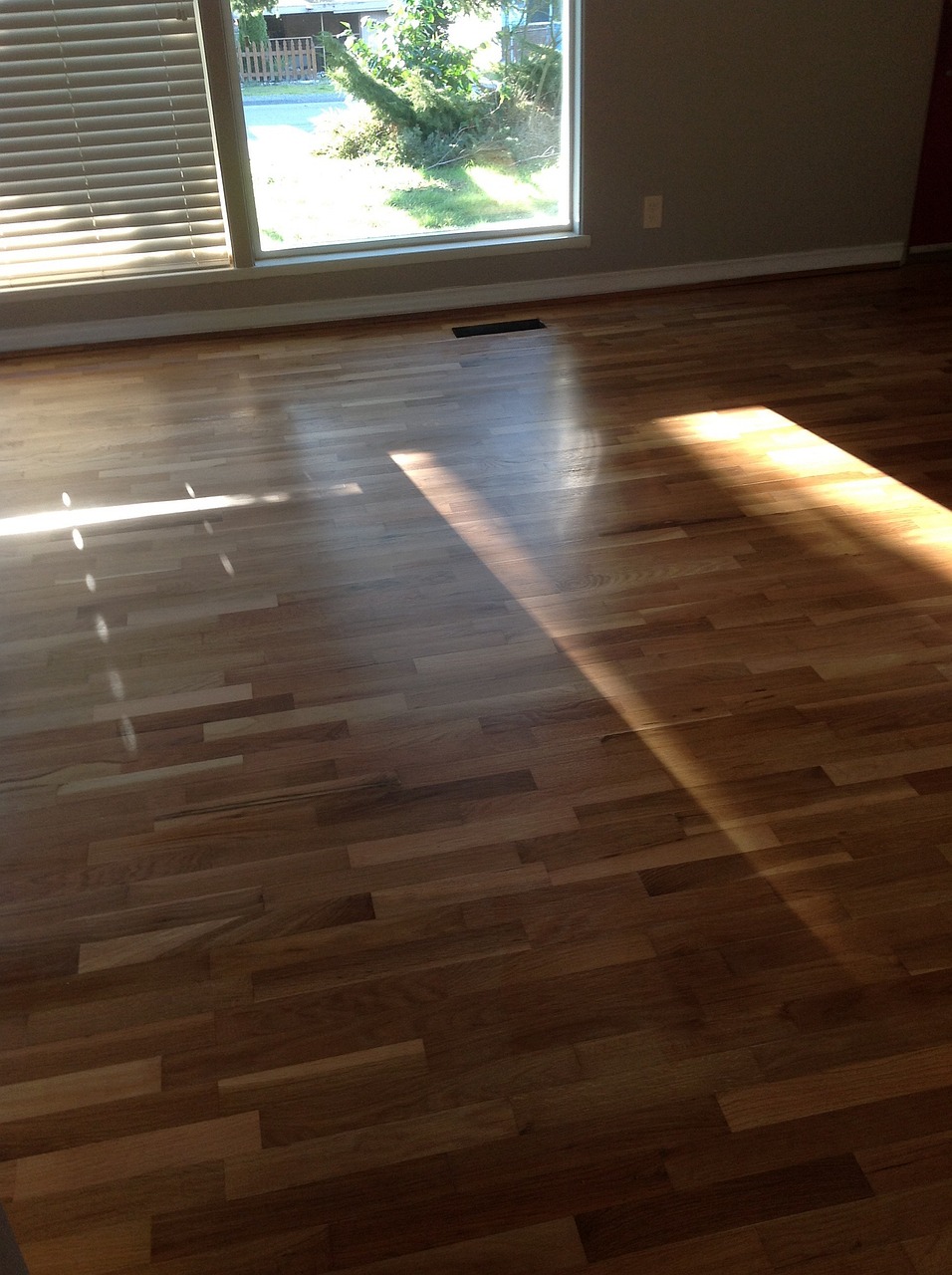







In today’s rapidly evolving world, the concept of remodeling has become an essential aspect of both residential and commercial spaces. As our needs and aesthetics shift, so does our desire to transform and update our living and working environments. However, navigating the process of remodeling (read more here) can be daunting, with numerous considerations and challenges. This article aims to provide a comprehensive guide, offering insights into the art of remodeling. We will explore strategies, from initial planning and design to implementation and final touches, ensuring a successful and rewarding transformation. By the end, readers will be equipped with the knowledge to embark on their remodeling journey with confidence.
Planning Your Remodel: Setting Goals and Budget
Planning a remodel involves a meticulous process of setting goals and budgeting. Understanding what "remodel" entails—be it a minor facelift or a complete transformation—is the first step. A well-planned remodel enhances property value, improves functionality, and creates living spaces tailored to individual needs. For instance, according to recent real estate trends in Austin, a strategic kitchen remodel can yield a 75% return on investment, making it one of the most valuable home improvement projects.
When considering a kitchen remodel, prioritizing tasks in a logical sequence is essential. Typically, this involves updating cabinets, countertops, and appliances first, followed by flooring and plumbing fixtures. This sequential approach ensures a cohesive aesthetic and minimizes disruption to daily life. However, Austin’s unique local factors, such as limited space and high real estate values, may require creative solutions or alternative materials to maximize value within budget constraints.
Budgeting is a critical aspect of any successful remodel. The cost in Austin varies significantly depending on project scope, material choices, and labor rates. On average, a minor remodel can range from $15,000 to $30,000, while major renovations can exceed $100,000. To avoid common problems, homeowners should research local contractors, obtain detailed estimates, and account for unexpected expenses. Additionally, considering alternatives to traditional remodeling, such as strategic paint jobs, hardware upgrades, or smart home integrations, can offer cost-effective solutions without sacrificing aesthetics or functionality.
Time is another valuable consideration. A typical remodel in Austin can take anywhere from 1 to 3 months, depending on project complexity. Efficient project management, clear communication with contractors, and allowing for unexpected delays can help ensure timely completion. Remember, a well-planned remodel is a rewarding investment that transforms spaces, improves quality of life, and increases property value in the vibrant Austin market.
Execution Strategies: From Design to Construction
A remodel is a transformative process that involves altering an existing space to improve its functionality, aesthetics, or both. It could mean anything from updating outdated kitchen cabinets to entirely revamping a bathroom. In the context of Austin, Texas, where the real estate market is vibrant and competitive, understanding effective remodel execution strategies is paramount for homeowners looking to enhance their properties’ value.
When embarking on a kitchen remodel, it’s advisable to prioritize tasks based on return on investment (ROI). According to recent surveys, a mid-range kitchen remodel in Austin typically costs around $60,000 with a 78% average ROI upon resale. Updates like replacing countertops, appliances, and adding new cabinets can significantly increase a home’s appeal. However, avoid unnecessary luxuries; focus on features that prospective buyers find most desirable. For instance, upgrading to energy-efficient appliances or installing smart kitchen technology may not directly boost resale value but can attract tech-savvy buyers.
The order in which you tackle different aspects of the remodel is crucial. In Austin, where construction materials and labor costs fluctuate with market demand, a well-planned sequence can save both time and money. Typically, remodeling a kitchen involves multiple phases: design (including architectural drawings and material selection), demolition, construction, and final finishing touches. It’s essential to allocate adequate time for each phase, especially during peak renovation seasons when contractors’ schedules fill up quickly. A strategic approach ensures that the project stays on track and within budget.
Among common problems to avoid during a remodel in Austin are poor planning, inadequate budgeting, and overlooking local building codes. Unforeseen structural issues or code violations can significantly delay progress and increase expenses. Engaging with licensed, experienced contractors who understand the local landscape and regulations is key to navigating these challenges successfully. As for alternatives to traditional remodeling, options like room additions, partial renovations, or even clever rearrangement of existing space can be more cost-effective without compromising on functionality and aesthetics.
Finally, understanding Austin’s local factors is vital for successful remodels. The city’s unique climate requires consideration in design choices, especially when it comes to insulation, ventilation, and energy efficiency. Additionally, property tax assessments and homeowner association (HOA) rules can impact what alterations are feasible and how they’re funded. Prior to starting any remodel project, consult with professionals who stay updated on these local dynamics to ensure compliance and maximize investment returns.
Post-Remodel: Maintenance and Long-Term Care
After successfully completing a remodel, maintaining your newly enhanced space is crucial to ensure its longevity and value. Understanding what "remodel" entails—a process of altering or improving existing structures—is essential for effective post-remodel care. In Austin, where real estate values are high, making informed decisions about remodeling becomes even more critical.
One of the most valuable investments a homeowner can make is a kitchen remodel, as it consistently ranks among the top projects that increase home value. However, the order in which these upgrades are done matters; for instance, plumbing and electrical work should be addressed first to avoid unnecessary delays. Moreover, careful planning can prevent common problems like outdated wiring or inefficient ventilation systems. For example, many Austin homes may require updates to meet modern energy efficiency standards, ensuring your remodel remains beneficial over time.
Local factors significantly impact remodeling costs in Austin. Weather conditions and local building codes can affect project timelines and pricing. According to recent data, the average cost of a kitchen remodel in Austin ranges from $15,000 to $40,000, depending on the scope. Similarly, bathroom remodels can vary widely, averaging between $8,000 and $25,000. These projects typically take 1-3 months to complete, with potential delays caused by material availability and labor shortages.
To avoid costly mistakes, consider alternative remodeling approaches tailored to Austin’s unique market. For smaller budgets or aesthetic updates, a fresh coat of paint, new hardware, or updated fixtures can make a significant difference without the extensive investment of a full remodel. Additionally, consulting with local experts who understand the area’s nuances and building trends can offer valuable insights into the most effective and cost-efficient strategies for maintaining your Austin property after a remodel.