






Key Takeaways
- Start with a clear vision and set realistic goals to ensure a successful remodel.
- Budget carefully and allocate funds accordingly to avoid unexpected financial strain.
- Prioritize functional needs over aesthetic preferences for a practical and lasting design.
- Incorporate sustainable materials and energy-efficient features for long-term savings.
- Engage with professionals who understand your style and can offer expert advice tailored to you.
- Regular communication and feedback are key to aligning the remodel with your expectations.
- Plan for unexpected delays and challenges, allowing flexibility in your timeline and budget.
Remodel means giving something old a new look and function. It involves assessing what needs to be changed, removing old materials, installing new ones, and sometimes adding features to improve efficiency or aesthetics. A successful remodel transforms a space, making it more beautiful and practical.
In the ever-evolving landscape of design and construction, the act of remodeling stands as a powerful tool for transforming spaces into reflections of modern lifestyle and aesthetics. Whether it’s an outdated home or a commercial property in need of rejuvenation, the decision to remodel holds immense potential. However, navigating this process can be daunting, given the myriad considerations: budget, time constraints, design choices, structural integrity, and regulatory compliance. This article serves as a comprehensive guide, offering expert insights and practical strategies for successfully tackling remodeling projects, ensuring both beauty and functionality in transformed spaces.
- Planning Your Remodel: Setting Goals and Budget
- Execution Strategies: Design to Construction Completion
- Post-Remodel Care: Maintenance and Future Updates
Planning Your Remodel: Setting Goals and Budget
Planning a remodel is a significant step in enhancing your living space, but it can be an overwhelming process without proper strategy. The first step in any successful remodel is setting clear goals and establishing a realistic budget. Understanding what "remodel" entails—a transformative change that involves altering the structure, design, or aesthetics of a space—is crucial for guiding your decisions. Every project begins with envisioning the desired outcome, whether it’s updating an outdated kitchen to increase property value or creating a more functional layout.
When considering a kitchen remodel, prioritizing tasks in the right order is essential. Often, this involves tackling the most significant structural changes first, such as moving walls or updating major appliances. According to recent market trends in Austin, Texas, where remodeling is prevalent, focusing on key areas like countertops, cabinets, and flooring can deliver substantial returns on investment. However, avoid common pitfalls by not getting carried away with aesthetic choices until functional aspects are finalized. For instance, choosing a unique backsplash before deciding on countertop materials can lead to unforeseen challenges during installation.
Budgeting is another critical aspect of any remodel project. The cost in Austin varies widely depending on the scope and style. On average, a kitchen remodel in Austin ranges from $20,000 to $50,000, with higher-end designs reaching up to $100,000 or more. It’s important to factor in not only material costs but also labor fees, which can vary based on local availability and project complexity. Timing is also a significant consideration; while some projects can be completed within a few weeks, larger remodels may take several months. Understanding these dynamics will help you make informed decisions when planning your remodel, ensuring both quality outcomes and financial feasibility.
Execution Strategies: Design to Construction Completion
Remodeling, or "remodel" as it’s often abbreviated, involves transforming a space into a renewed and improved version of its former self. It can range from small-scale updates to complete overhauls, with each project tailored to the homeowner’s unique needs and preferences. In Austin, where real estate values have been steadily rising, understanding the execution strategies behind a successful remodel is paramount for property owners looking to maximize their investment.
When contemplating a kitchen remodel—a project that consistently tops the list of home improvements in terms of added value1—it’s crucial to approach it methodically. The process should ideally start with a thorough assessment of existing space, followed by thoughtful planning and design. This includes deciding on layout, choosing materials, and selecting appliances. Once the design is finalized, construction can commence. It’s recommended to hire licensed professionals for this phase, ensuring quality craftsmanship and adherence to local building codes. Austin’s diverse climate demands considerations like adequate ventilation, energy-efficient fixtures, and durable materials to withstand the elements.
Avoid common pitfalls such as poorly planned budgets that often lead to cost overruns or shoddy workmanship by engaging experienced contractors. For instance, neglecting to account for unexpected structural issues during demolition can significantly delay progress2. Additionally, prioritizing functionality and aesthetics in equal measure ensures a satisfying end result. According to recent market trends, Austin’s remodeling costs average between $50 and $75 per square foot3, with timelines ranging from 3 to 6 months, depending on project complexity. Alternatives to traditional remodeling include comprehensive renovations or even smart home upgrades, which can offer comparable benefits at varying cost points. Local factors like labor availability and material prices in Austin can influence these costs, making it essential for homeowners to research and plan accordingly.
Post-Remodel Care: Maintenance and Future Updates
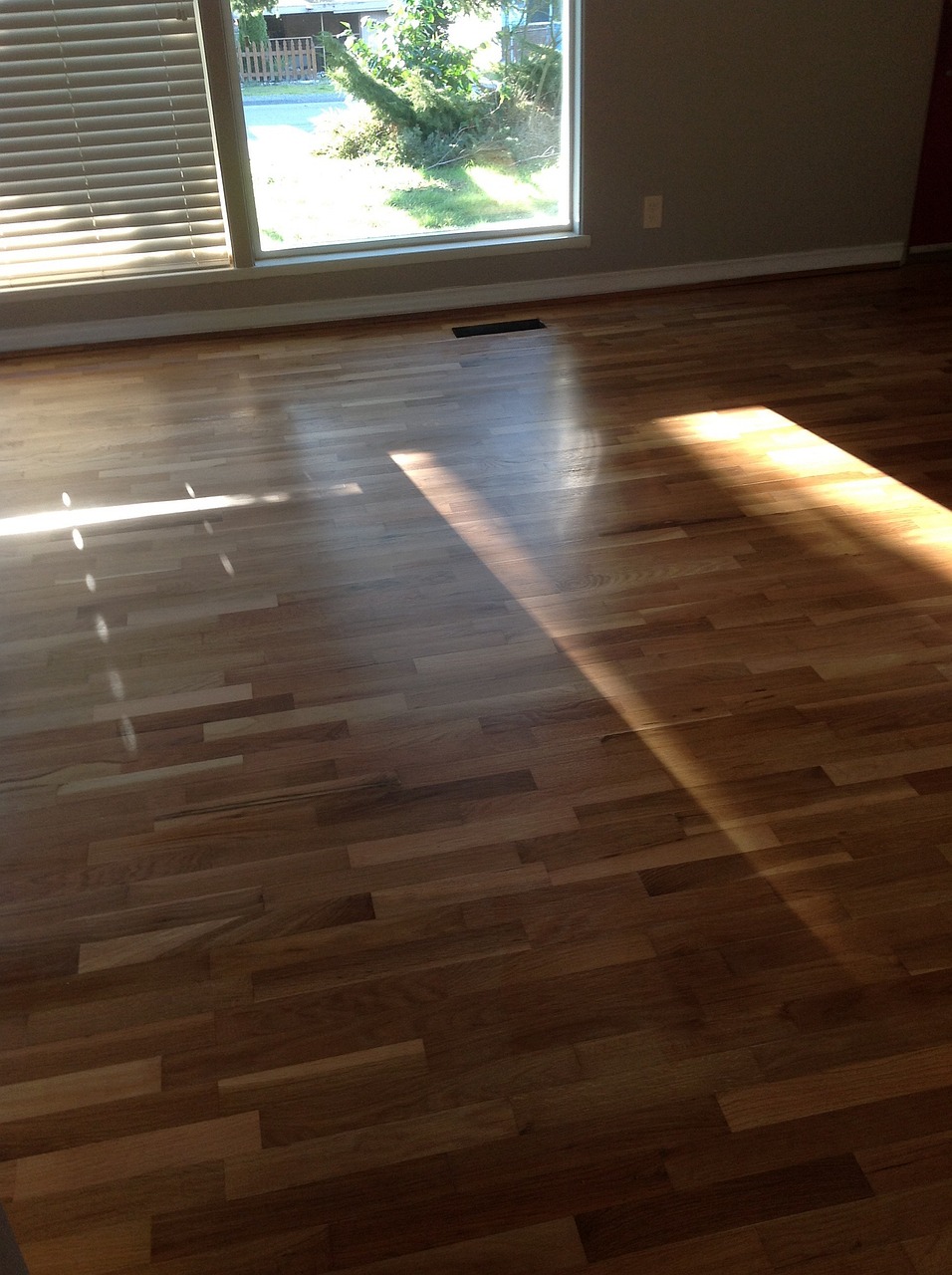
After completing a remodel, proper care and maintenance are crucial to ensure the longevity of your investment and preserve the beauty of your updated space. This includes regular cleaning, minor repairs, and following specific care instructions for materials used. For instance, hardwood floors require regular sweeping and occasional refinishing, while granite countertops need sealing to prevent staining. A well-maintained remodel can last for decades with minimal issues.
When considering future updates, it’s essential to prioritize based on your lifestyle changes and market trends. Kitchens and bathrooms are typically the most valuable areas to remodel, as they significantly impact home value and daily comfort. In planning a kitchen remodel, it’s advisable to start with plumbing and electrical work, then focus on cabinets, countertops, and appliances. This logical sequence ensures a seamless transformation. In Austin, where the real estate market is competitive, a well-planned remodel can add 15-30% to the property value, making it a strategic investment.
However, several common problems can arise during and after a remodel in Austin. These include poor planning, budget overruns, and subpar workmanship. To avoid these, thoroughly research local building codes, engage licensed professionals, and create a detailed budget. Additionally, consider the unique local factors such as climate and Texas’ stringent building regulations. Cost estimates in Austin can range from $25,000 for minor updates to over $100,000 for comprehensive remodels, with an average of $50,000-$75,000. Projects typically take 1-3 months, depending on scope and complexity.
As an alternative to traditional remodels, some homeowners opt for renovations or minor updates. These can be more cost-effective and faster, focusing on specific areas like painting, updating hardware, or replacing fixtures. For instance, a fresh coat of paint and new lighting fixtures can instantly transform a room without the extensive time and expense of a full remodel. However, for significant changes to increase living space or improve functionality, a full remodel remains the most viable option. Always consider your needs, budget, and local market trends when deciding between remodel, renovation, or alternative upgrades.
Frequently Asked Questions About Remodel
What is a remodel?
A remodel, or renovation, is the process of transforming a space—whether it’s a room, a home, or a commercial property—by making substantial changes to its structure, aesthetics, and functionality. This can involve everything from cosmetic updates to complete overhauls, enhancing both the interior and exterior for improved comfort, style, and value.
How do I start planning a remodel?
Begin by defining your goals and budget. Research design ideas and hire a professional contractor or architect to create a detailed plan. Obtain necessary permits and ensure your project adheres to local building codes. Create a timeline and communicate regularly with your team to stay on track.
What are the benefits of remodeling?
Remodeling offers numerous advantages, including increased property value, improved living conditions, and the ability to create personalized spaces. It allows you to adapt to changing lifestyles, incorporate modern amenities, and enhance energy efficiency. A well-planned remodel can also be a smart investment, potentially increasing your home’s resale value.
How much does a remodel cost?
Cost varies widely depending on the project scope, location, and materials used. It’s essential to create a detailed budget, considering labor, materials, permits, and unexpected expenses. Working with a reputable contractor who provides transparent pricing can help ensure your project stays within financial goals.
Can I do a remodel myself?
While some minor renovations can be DIY projects, complex remodels typically require professional expertise. Contractors have the skills, tools, and knowledge to handle structural changes, electrical work, plumbing, and specialized tasks. Hiring professionals ensures a safer, higher-quality outcome and allows you to focus on design and aesthetic decisions.
What are some popular remodeling trends?
Current trends focus on open concept living, smart home technology integration, sustainable materials, and luxurious amenities. Modern kitchens and bathrooms are incorporating sleek designs, energy-efficient appliances, and smart storage solutions. Outdoor spaces are also gaining importance, with popular additions like outdoor kitchens, firepits, and living areas that blur the lines between indoor and outdoor living.
How can I make my remodel eco-friendly?
Choose energy-efficient appliances, lighting, and windows. Opt for sustainable materials like recycled flooring, bamboo, or locally sourced wood. Consider water-saving fixtures and greywater recycling systems. Proper waste management and recycling during the remodel also contribute to an eco-friendly approach.
A successful remodel is a multifaceted process, from initial planning to post-completion care. By setting clear goals and budgeting effectively, you lay the foundation for a project that meets your needs and enhances your living space. During execution, strategic design choices and meticulous construction ensure a seamless transition. Post-remodel, regular maintenance and forward-thinking updates safeguard your investment and keep your home vibrant. This comprehensive guide has equipped readers with the knowledge to navigate each stage of a remodel, empowering them to transform their spaces into reflections of their style and functionality.